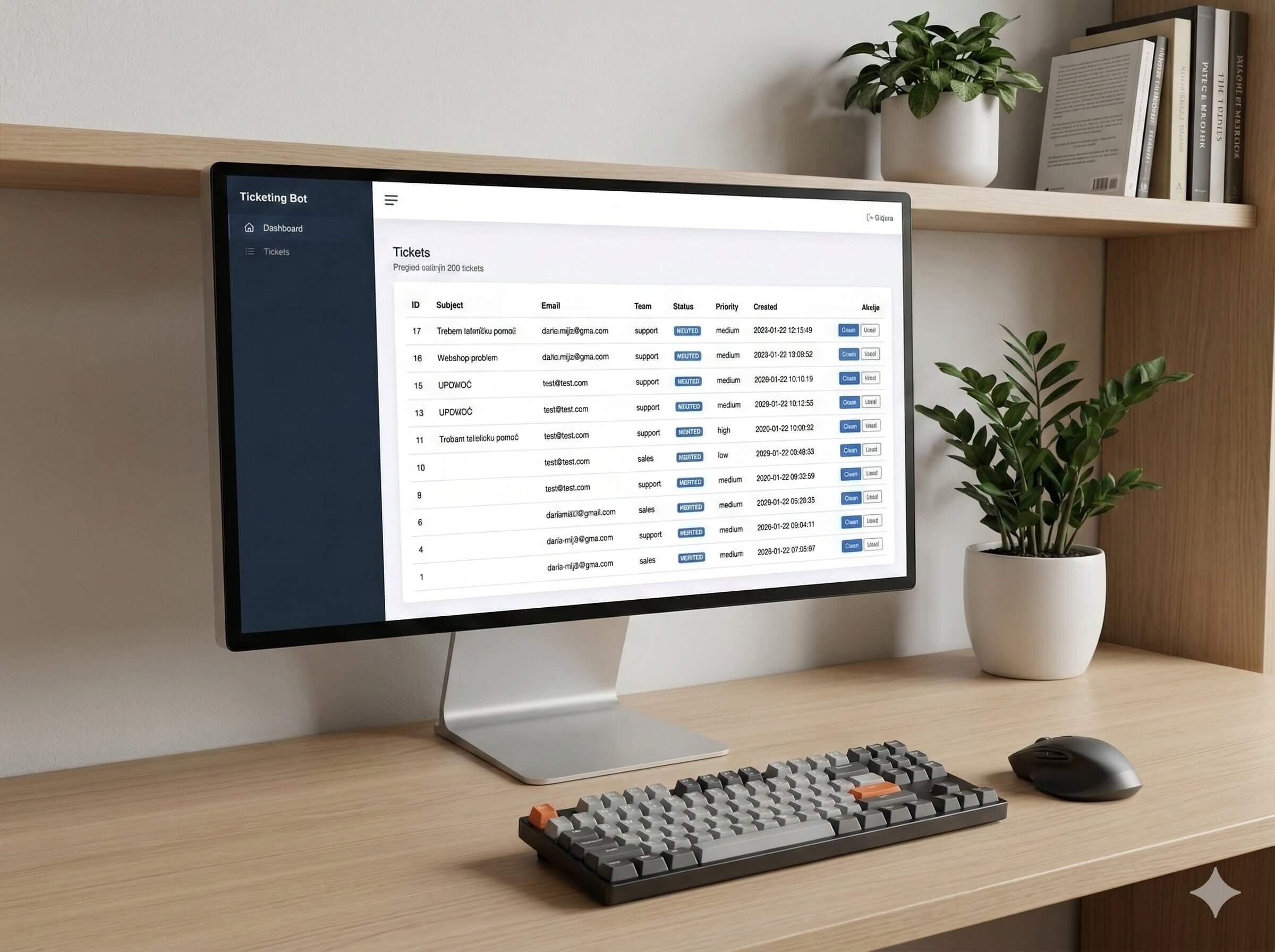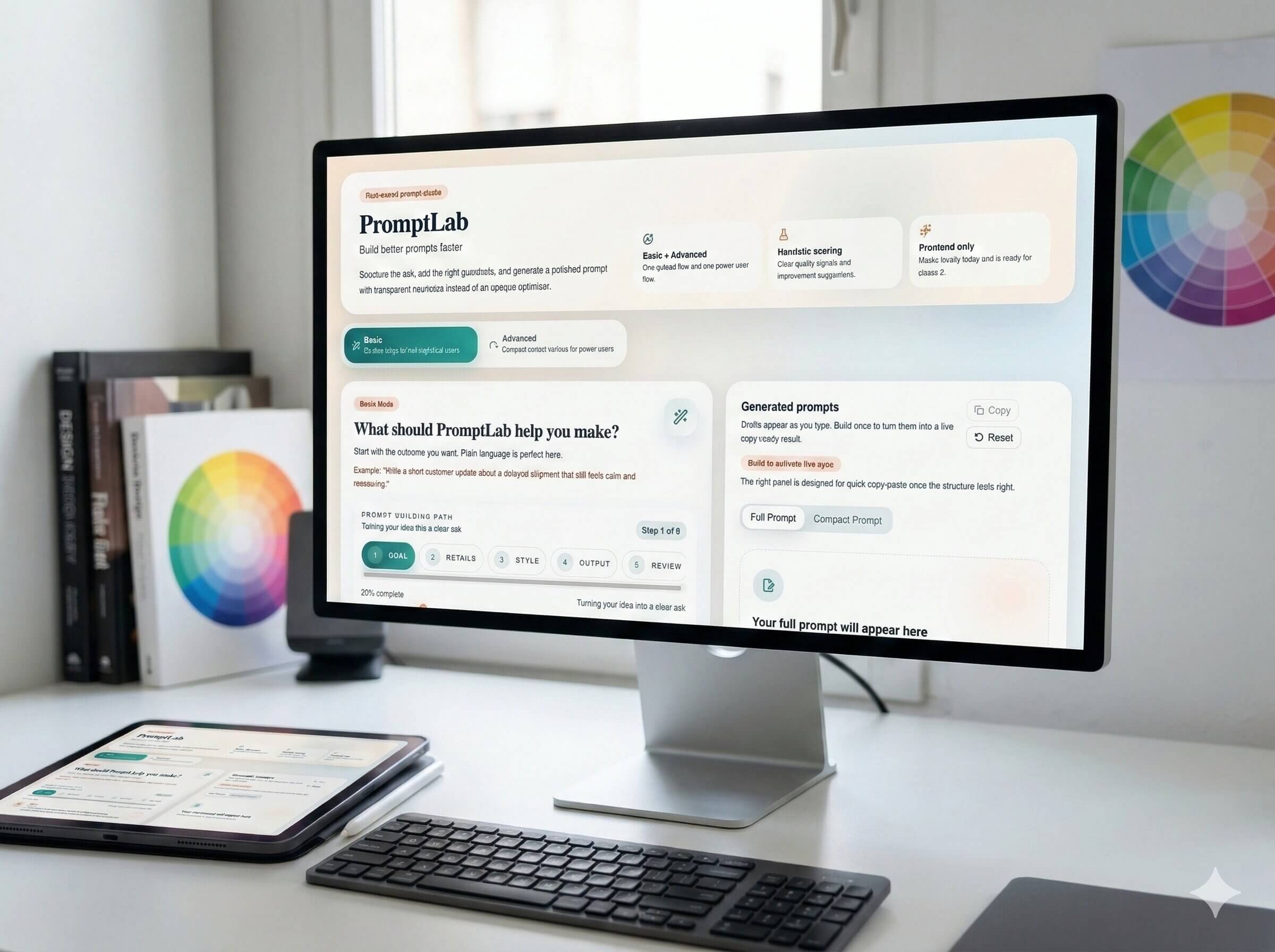
From web development to infrastructure thinking: monitoring, security and governance in practice
This insight is not about a single website. It is about a shift in mindset: from building pages to managing a digital environment where stability, security, performance, and scalability all matter together.
I do not just build websites. I design stable and measurable environments where websites can safely run.
1) The shift: from delivery to stability and measurability
After years of shipping web projects, it became clear that real value is not only in launching a site, but in making sure systems stay reliable, fast, and predictable once they are live.
That is where web work starts to become infrastructure work: performance, monitoring, incident response, security, and long-term maintainability converge into the same job.
2) Introducing APM monitoring in a real environment
Over the last year, I started structured performance and availability monitoring with New Relic. Even in a modest setup, that kind of visibility creates a useful baseline for understanding trends instead of relying on guesswork.
The practical value is simple: response time, error rate, alerts, and trend data make root cause analysis faster and make technical decisions easier to justify.
- Is the site slow or is the backend slow?
- When did the slowdown start and what changed?
- Which endpoint, query, or integration is the bottleneck?
- Are errors isolated spikes or a repeating pattern?
- What is the real operational impact?
3) Building internal monitoring and security tooling
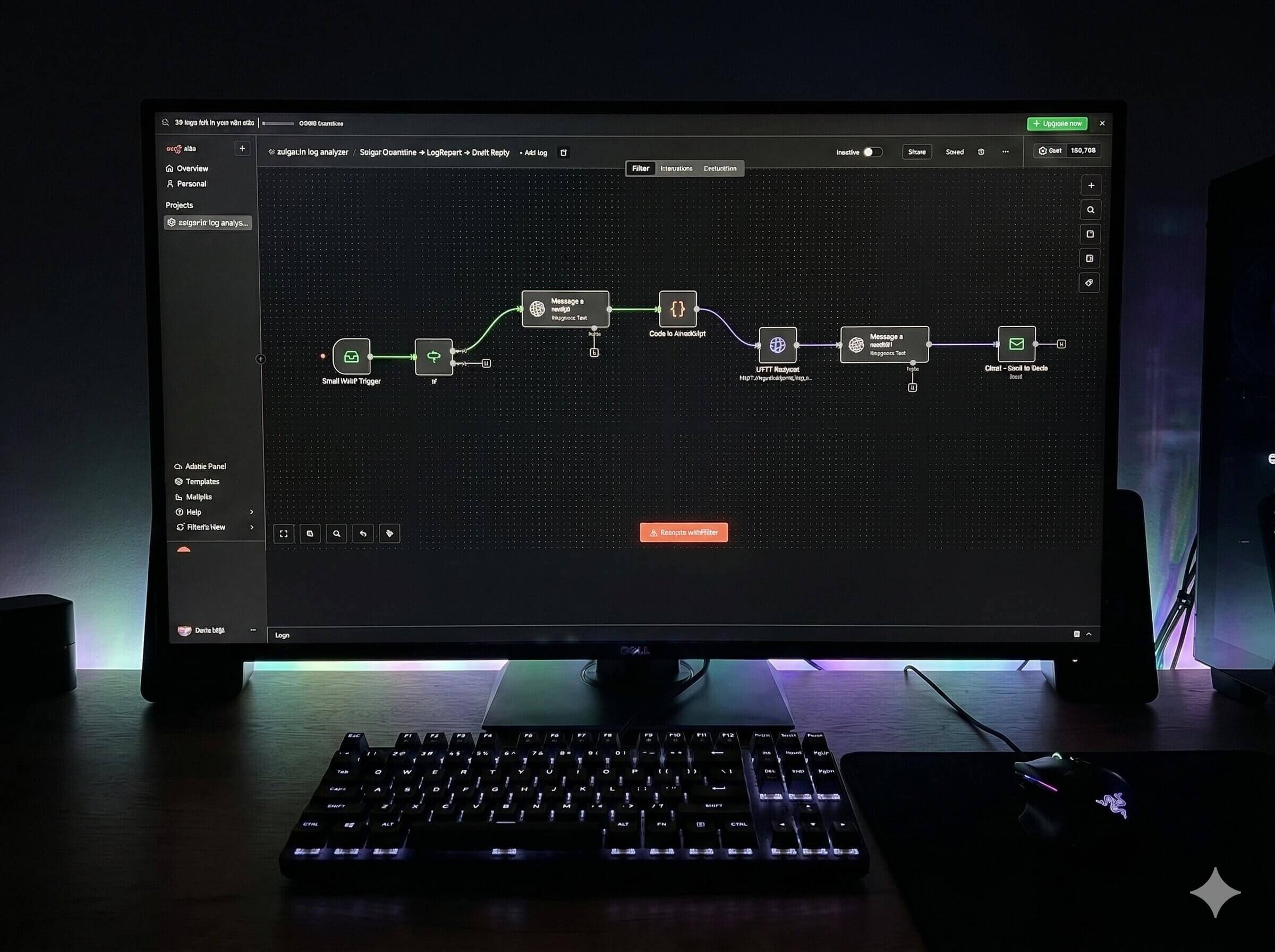
Alongside APM, I built internal tooling and procedures for availability checks, log analysis, and baseline security checks. The point is not to imitate heavyweight enterprise suites, but to close visibility gaps and make issues easier to catch before they turn into incidents.
That is often the most practical path for smaller environments: start with simple tools that create visibility, then improve the operating model around them.
4) Web projects as system thinking training
In practice, a web project is not just frontend plus CMS. It is a group of operating decisions: hosting, caching, monitoring, logs, backups, update strategy, incident response, and cost control.
That broader view changes the work. Delivery is still part of the job, but so is making the environment easier to manage after launch.
5) TCO and standards matter more than the cheapest option
Infrastructure should not be judged only by upfront price. Total Cost of Ownership matters more: maintenance effort, downtime risk, security exposure, diagnosis time, and future scalability all affect whether a decision stays cheap over time.
The goal is to make decisions from measurable data, clear criteria, and a longer operational horizon instead of short-term convenience.
6) The direction: operational ownership and stronger governance
My own direction continues toward infrastructure, security, automation, and AI workflows with a stronger governance mindset behind them. That means moving from delivery work toward responsibility for stability, risk, visibility, and operating standards.
The underlying idea is simple: if something is not measured, it is difficult to manage. If it is not managed, it becomes a risk.
That is the foundation behind the consulting positioning on this site as well: practical systems, clearer operational signals, and more disciplined workflow design.