Services
Workflow discovery, MVP delivery, monitoring, reporting, and prompt systems for teams that want practical support.
Practical collaboration, not a generic delivery package.
Most engagements begin with one real workflow, one clear operational problem, and a decision about whether the next step is discovery, delivery, or ongoing support.
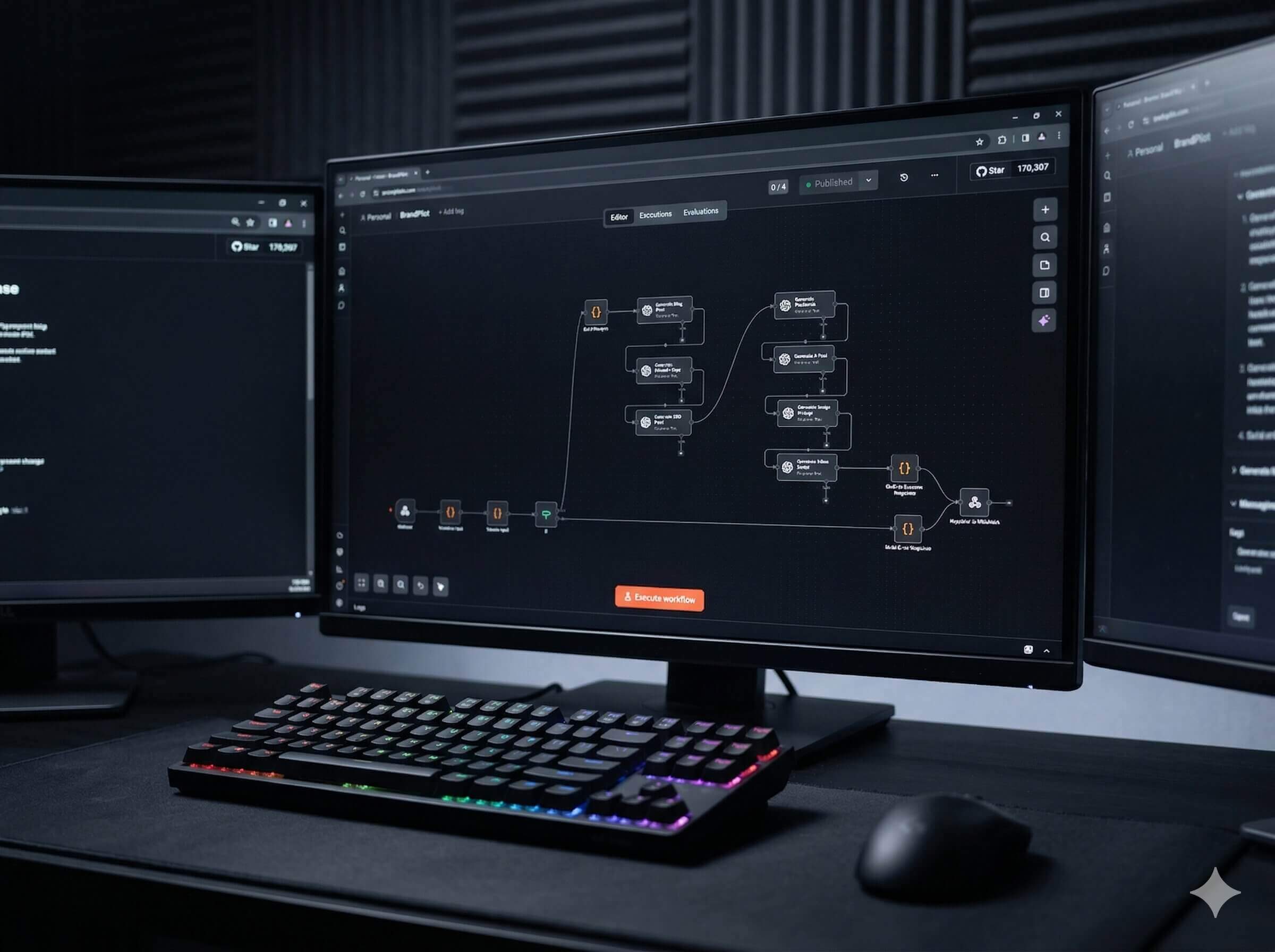
Workflow audits, MVP delivery, and ongoing optimization
My services sit between process design and technical implementation. The focus is usually AI automation, internal tools, reporting, monitoring, and prompt systems that support actual day-to-day work.
- Discovery starts with the current workflow: inputs, handoffs, recurring failure points, and where context breaks down.
- Design focuses on useful contracts: what data enters the workflow, what the system should return, where review is needed, and what should be measurable.
- Delivery is scoped around one useful outcome first, so the MVP is concrete enough to validate and maintain.
Workflow audit
A workflow audit is the best fit when the team knows something is inefficient but is not yet sure where to intervene. The output is a practical view of the current process, the highest-value opportunities, and the safest next move.
MVP delivery
MVP delivery is for cases where the direction is clear and the need is to build. This can mean intake and triage automation, a lightweight internal tool, reporting logic, or a prompt-driven workflow that still needs human oversight.
Monitoring and reporting
Many teams do not need more features first. They need better visibility. Monitoring, reporting, and operational summaries help teams understand what the system is doing and where follow-up is actually needed.
Prompt systems
Structured prompting becomes more useful when the inputs are explicit, the output contract is clearer, and the workflow around the prompt is designed for reuse instead of guesswork.
Optimization partner
Some systems need follow-up after launch: prompt refinement, workflow tuning, new reporting, safer handoffs, or another automation stage. In those cases, ongoing collaboration works better than a one-off handover.
The working rhythm is simple: discovery, design, build, validate, hand over clearly, and support the next stage only if it is genuinely useful.